







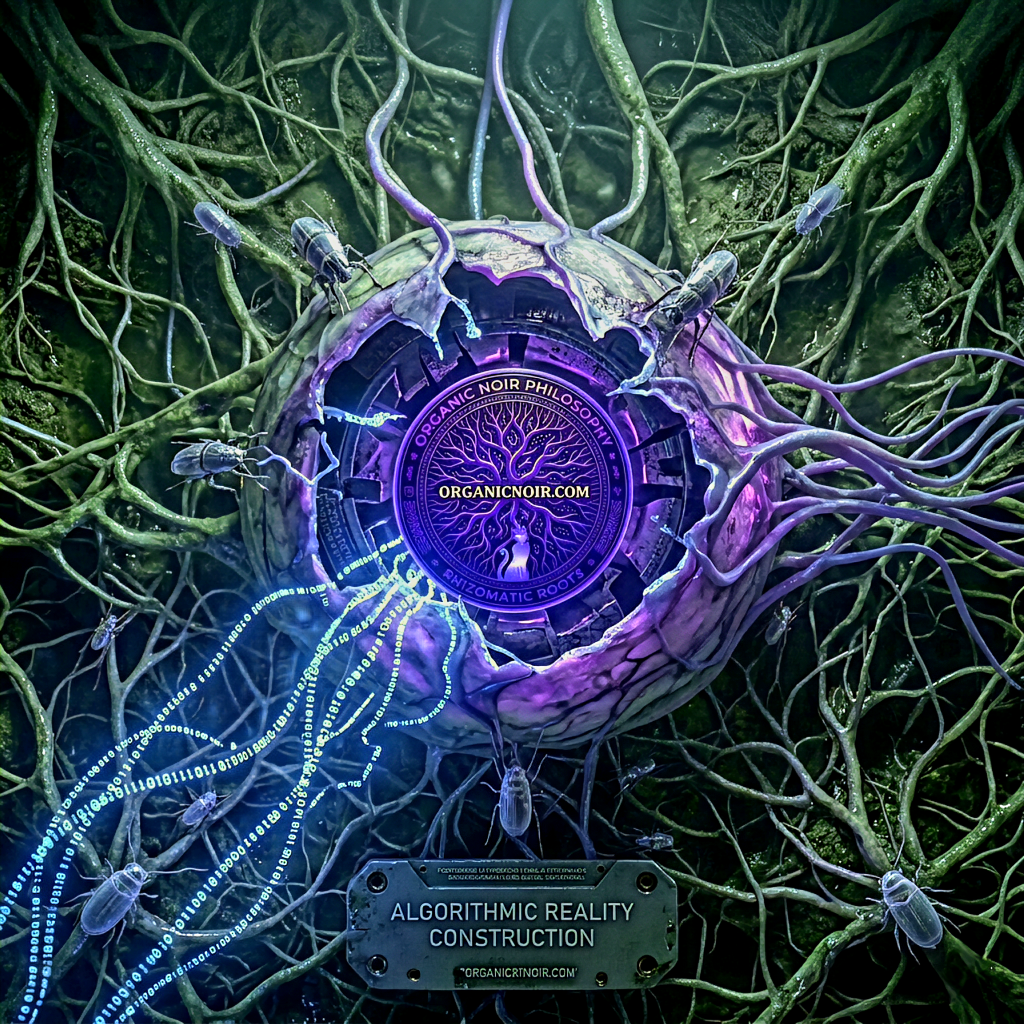
Algorithmic reality construction is the process by which information systems prioritize, curate, and sequence data to shape the subject’s perception of consensus reality. Unlike traditional media influence, this process operates through high-frequency feedback loops, where the system reacts to user engagement in real time to refine the presented reality. By analyzing individual interaction patterns, algorithms determine which data points are reinforced and which are discarded, effectively creating a personalized informational vacuum. This construction is not merely about persuasion; it is about the structural limitation of the cognitive field.

As the system optimizes for engagement, it systematically suppresses information that falls outside the established behavioral model, narrowing the individual’s objective view of the environment. Awareness of this mechanism is essential to identify where reality is being synthesized by external systems and where it remains within the domain of direct, unmediated observation.

✧ 𓂀 ✧
The outcome is not a predetermined fate, but an operational state of the current environment. Intellectual sovereignty is identified as the counter-methodology, requiring the active rejection of passive consumption and the prioritization of direct, unmediated engagement with the physical spectrum.