




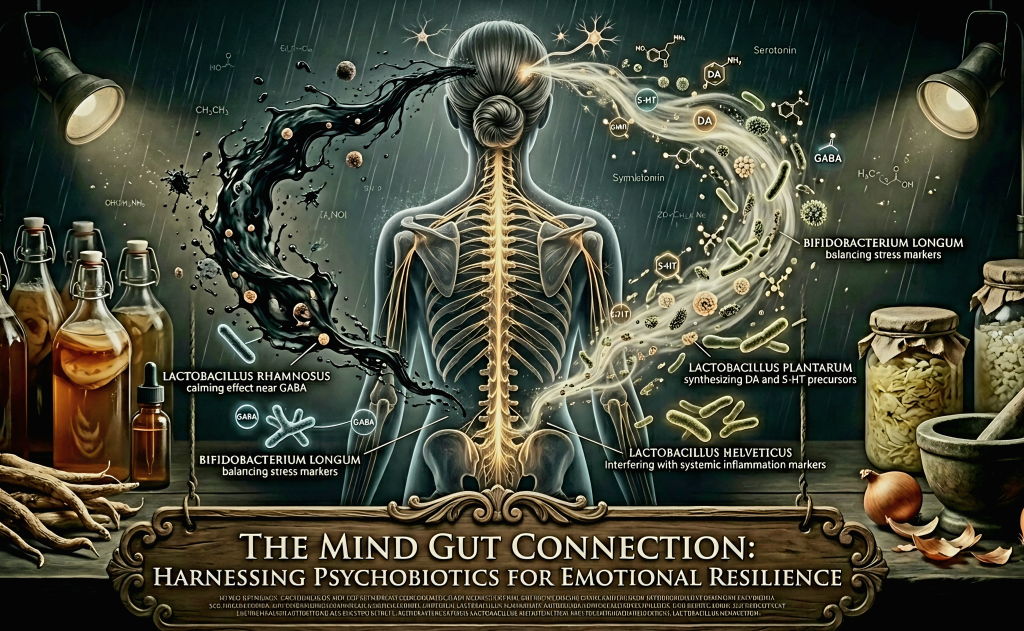
The human gut is far more than a simple digestive organ; it acts as a secondary command center for the brain, hosting a complex ecosystem of trillions of microorganisms. This symbiotic relationship, known as the gut-brain axis, serves as a bidirectional superhighway where the chemical signals produced by your internal microbiome directly influence your mental state. Recent advancements in nutritional neuroscience have identified a specialized category of bacteria, known as psychobiotics, which possess the unique ability to modulate the production of neurotransmitters and reduce systemic inflammation, thereby fostering greater emotional resilience and cognitive clarity.
At the center of this biological harmony are specific strains of Lactobacillus and Bifidobacterium, which act as the primary architects of your mood. Lactobacillus rhamnosus has been observed in research to influence the activity of gamma-aminobutyric acid (GABA), a critical inhibitory neurotransmitter that helps temper the body’s stress response and mitigate feelings of anxiety. By calming the nervous system, this strain aids in lowering systemic cortisol levels, allowing the body to recover more efficiently from environmental stressors. Similarly, Bifidobacterium longum has been linked to improved cognitive flexibility and a decrease in the subjective perception of stress, effectively helping the brain maintain equilibrium during challenging periods.
Beyond these two, Lactobacillus plantarum plays a vital role in the synthesis of precursors to dopamine and serotonin, the body’s primary “feel-good” chemicals. These neurotransmitters are essential for regulating mood, motivation, and reward-seeking behaviors. When these bacterial populations are robust and diverse, they help ensure that the signaling pathways between the gut and the prefrontal cortex, the area of the brain responsible for executive function and emotional regulation, remain open and clear. When these populations are depleted, however, the resulting dysbiosis can create a climate of inflammation that often manifests as brain fog, irritability, or persistent feelings of low mood.
The most effective way to utilize these microbial allies is to cultivate a foundation of high-diversity, fermented foods. Options like traditional, unpasteurized kombucha, authentic sauerkraut, kimchi, and kefir act as delivery vehicles for these potent cultures. However, for those seeking specific emotional support, targeted probiotic supplements containing clinically studied strains like L. helveticus or B. longum may offer a more precise dose of these neuro-active bacteria.

Essentially, supporting your mental health through the gut requires consistency. By providing your microbiome with a consistent supply of these mood-boosting strains, and pairing them with prebiotics, the fibrous fuels like garlic, onions, and chicory root that allow these bacteria to colonize effectively, you create an internal environment that is naturally wired for stability. While gut health is only one piece of the vast puzzle of mental well-being, it is undeniably one of the most accessible and powerful levers you can pull to improve your daily emotional baseline.