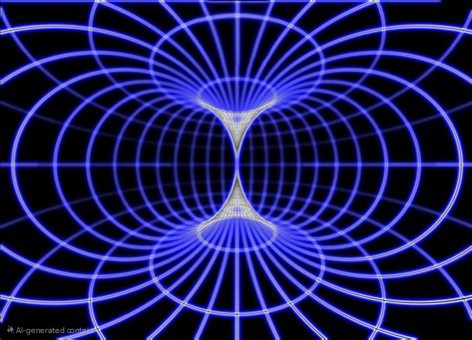





The human atmosphere is a biophysical reality consisting of electromagnetic fields generated by the cardiac, neural, and muscular systems. These fields are detectable using sensitive instruments like Superconducting Quantum Interference Devices, which map the magnetic emissions of the body. While these emissions are generally invisible to the human eye, they form a measurable interface between the biological system and the external environment. The study of these fields involves both standard biophysics, which focuses on the physiological mechanisms of production, and broader interpretations that consider the field’s role in interpersonal interaction and environmental influence. Essentially, the human atmosphere functions as a dynamic boundary, shaped by metabolic processes and the continuous electrical activity required to maintain biological life.