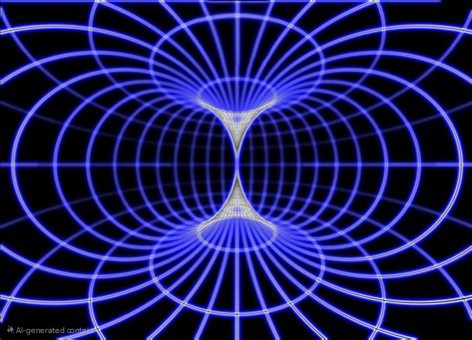





The human condition is defined by an inherent friction between the entropic chaos of the external universe and the desperate, necessary architecture of the internal mind. Humans exist as biological data processors attempting to distill a probabilistic reality into manageable systems of meaning.
This process is not a passive observation of truth; it is an active, aggressive construction of reality through symbolic frameworks, cognitive structures, and, ultimately, the individual’s epistemological autonomy.
At the core of this tension lies the realization that objective reality is inaccessible. Instead, the human mind functions as a decoder, receiving chaotic, fragmented sensory input and reconstructing it through the grid of language, myth, and logic.
This archetypal construction allows for the stabilization of experience, permitting the individual to navigate an inherently unstable environment.
By applying these symbolic filters, the human actor creates a manageable projection, a “world,” that allows for purposeful movement through time and space.
However, the most refined expression of the human condition emerges when one moves beyond passive participation in these collective frameworks and begins to exercise genuine epistemological autonomy.
This is the act of imposing a deterministic structure upon the probabilistic field of existence. It is a conscious, methodical effort to define the boundaries of one’s own perception and logic, effectively creating a private order that serves as a counter-measure to the inevitable decay of the external environment.

This autonomy represents the highest function of human cognition: the ability to observe the chaos, reject its randomness, and synthesize a coherent, internal law that governs one’s own reality.
The human condition, therefore, is not a state of being, but a state of engineering; it is the perpetual project of refining the internal structure to better withstand, and eventually transcend, the entropic pressures of the void.