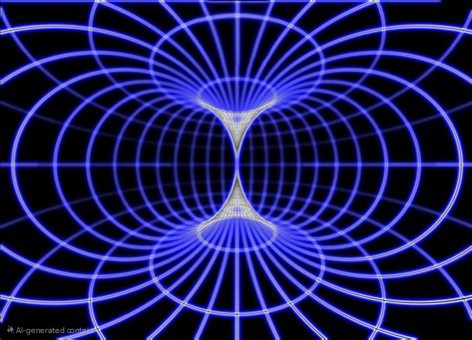





The prevailing scientific paradigm largely views the human body as a localized, closed system of chemical reactions. This reductionist model treats biological functions as the result of molecular collisions and enzymatic sequences, often ignoring the foundational electrodynamic architecture that governs these interactions. To move beyond this, we must examine the body as a resonant, open system, constantly interacting with external fields at a quantum and macro-electrodynamic level.
At the core of this interaction is the concept of resonance. Every molecular structure, even from the vibrational modes of a DNA helix to the rotational dynamics of proteins, all possess a characteristic frequency.
When external electromagnetic inputs align with these internal frequencies, they can facilitate or inhibit biological processes with far greater efficiency than traditional chemical ligands. This suggests that metabolic regulation is not just a function of biochemical concentration, but of field-phase alignment.
Consider the role of structured water within the cytoplasmic matrix.

This interfacial water layer exhibits dielectric properties distinct from bulk water, acting as a coherent medium for charge transfer. By viewing this water not as an inert solvent but as a conductive lattice, we can understand how external electromagnetic fields might modulate cellular signaling directly.

In this model, the cell membrane is not merely a barrier but a transducer, converting environmental electromagnetic flux into intracellular biochemical changes.
Moving toward this electro-centric perspective requires a departure from traditional drug-based interventions. If the biological state is determined by field interactions, then health maintenance and repair should prioritize the optimization of endogenous resonance.
By mapping the specific frequency signatures of tissue health and pathology, we can develop non-invasive interventions that bypass biochemical bottlenecks entirely. This shift does not negate the importance of chemistry; rather, it elevates chemistry to its rightful place as the physical manifestation of underlying electrodynamic architecture.
As we refine our ability to measure and manipulate these frequencies, we move toward a future where the body is treated as a programmable, resonant system. This represents a fundamental evolution in our capacity to support life, shifting our focus from symptomatic molecular suppression to the systemic orchestration of the body’s innate, vibrant conductivity.